


QueenBee is using Zwift's online training platform to run group cycling sessions for women riding from home, addressing safety concerns around exercising outdoors at unsociable hours.
A poll of 1,657 Australians found that 78% of women feel unsafe walking or running alone at night, compared with 40% of men. For those who train before dawn, after late shifts or between work and family commitments, that can sharply limit when and where they exercise.
QueenBee was founded by Naomi Feder, Hayley Lambourn, Bella Dutton and Letti Melbz after they met on Zwift while living in different Australian cities. What began as a way for women to ride together in a more welcoming setting now runs regular rides for members across Australia and overseas.
Its routine highlights a practical use for connected fitness platforms. Riders can join sessions from home at times that might otherwise require them to be outdoors alone, including early mornings and late nights, while still taking part in a group activity.
“Zwift has completely changed what is possible for our community,” said Letti Melbz, Co-founder of QueenBee.
Zwift uses online multiplayer software to place riders in shared three-dimensional environments. The platform connects to smart bikes or indoor trainers, translating pedalling effort into movement on screen so cyclists in different locations can ride the same route together at the same time.
This has helped QueenBee support women whose training is interrupted or constrained by injury, pregnancy, menopause, shift work, childcare or poor weather. Instead of planning around road conditions or daylight, members can log in when they are available and ride with others already on the platform.
“Geography, weather, darkness, work, family commitments, pregnancy, injury and busy lives can all make getting out on a bike difficult. Zwift removes many of those barriers,” Melbz said.
Flexible training
Recent product updates are aimed at making sessions easier to adapt to a rider's condition on the day. Watt Lock lets riders hold a steady target power during free rides, which can help those returning from injury or a break maintain an appropriate effort while staying with a group.
Zwift has also added integrations with WHOOP and Oura, feeding daily recovery scores into the app. On low-recovery days, the system automatically adjusts training recommendations, offering a lighter session instead of pushing a rider towards a harder workout.
Those changes are relevant for social riding groups such as QueenBee, where members may arrive with very different levels of fitness, fatigue and confidence. Participants can share the same session while managing intensity individually.
“We can have women riding together from different cities, states and even countries at the same time,” Melbz said. “Someone can finish a night shift, jump on the bike in the early hours, ride while recovering from an injury, or simply stay indoors on a wet or cold day and still feel like they're part of a group.”
Community effect
Many new members initially join quietly before becoming more active in group conversations and rides. Some later encourage new arrivals or go on to lead rides themselves, suggesting the platform serves not only as a training tool but also as a social entry point into cycling.
The group welcomes women at different life stages, including those returning to exercise after having a baby, recovering from injury or resuming sport after years away. That broad base appears to be part of its appeal in a sport often shaped by performance expectations and time demands.
“Life can be a juggling act, but Zwift has made exercise easier and more accessible for so many women because you can adapt your ride to where you are physically and what life is throwing at you,” Melbz said.
For connected fitness companies, communities like QueenBee show how online platforms can extend beyond solo exercise or structured training plans. The draw is not only convenience but also the ability to recreate some of the routine and companionship of a club ride without requiring riders to leave home.
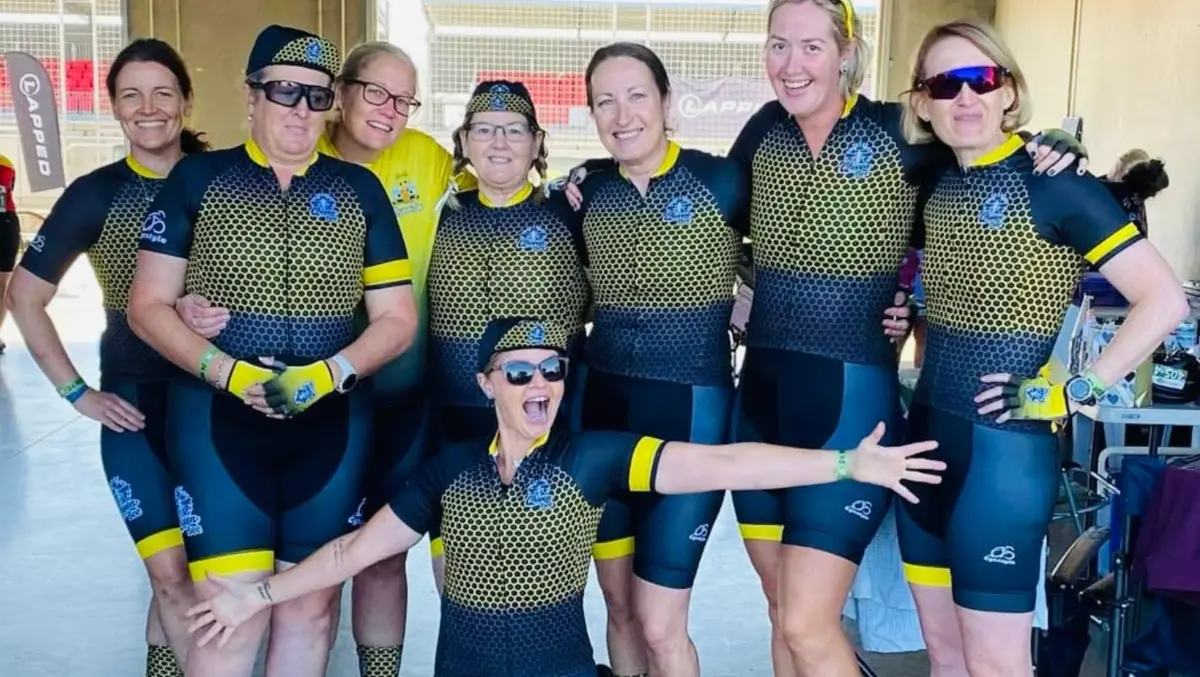
That social element has also carried into offline activity, with members meeting in person, travelling together and riding outdoors. The pattern underlines how digital fitness services are increasingly being used to build communities first formed online.
Zwift charges AUD $29.99 a month for its standard membership and AUD $44.99 a month for Zwift Plus, which includes Zwift Coach and Zwift Video.
“For many women, the first ride might be about fitness. But the reason they keep riding is often connection, confidence and community,” Melbz said. “A habit is much easier to build when you're not doing it alone. Knowing that someone is waiting for you, that you'll have people to chat to, laugh with and ride alongside, makes it much easier to turn up, even on the days when motivation isn't there.”