

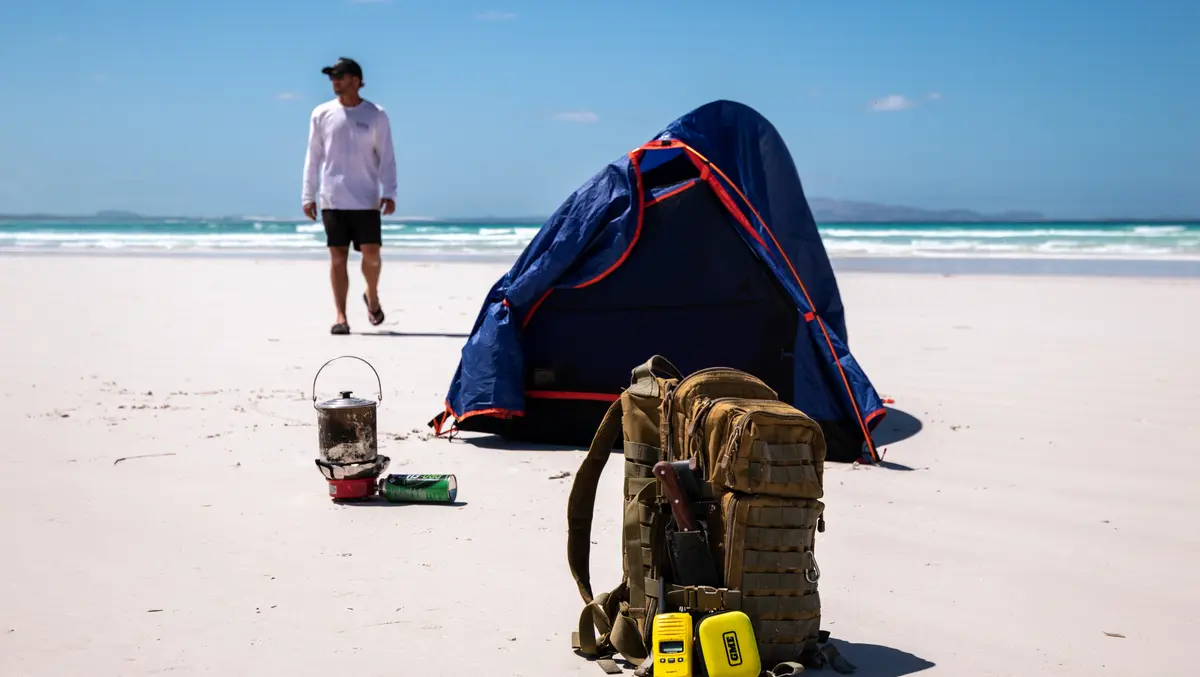
GME has launched a summer outdoor safety campaign with Bondi Lifeguard Anthony 'Harries' Carroll, after new research it commissioned found extreme heat is the top outdoor safety concern for 36% of Australians.
The survey also suggests many people would press ahead with trips despite warnings. About 35% said they would be reluctant to cancel an outing if the rest of their group wanted to continue.
The findings point to a gap between awareness of heat risk and willingness to act. Half of Australians planning outdoor activities this summer said they would push through physical discomfort to avoid slowing others down, while the same proportion said they had underestimated how challenging an activity would be before setting off.
Camping was the most popular outdoor plan, with 44% of respondents expecting to camp during summer. A quarter planned a full or multi-day bushwalk, while 18% expected to go offshore fishing and the same share planned a rural or bush trip by 4x4 or trail bike. Another 12% said they intended to sail along Australia's coastline.
Younger adults showed a stronger appetite for outdoor travel. Among Gen Z respondents, 60% said they planned to camp and 40% expected to take a full or multi-day bushwalk.
Heat and group pressure
The research suggests social dynamics can shape decision-making in hot or unstable conditions. Seven in 10 Australians said they tend to feel safer outdoors with friends or family, yet that confidence can sit alongside a reluctance to raise concerns early.
Reliance on mobile phones was another theme in the data. More than two in five respondents, or 44%, said they assumed they could rely on a mobile phone if they got into trouble outdoors. That figure rose to 49% among Gen Z respondents.
Along the coast, 43% of Australians who swim, fish or explore shorelines said they would be most likely to rely on their own skills or the people with them if they got into trouble on an unfamiliar, unpatrolled stretch of coast.
Carroll said groups should agree on limits before leaving and be ready to change plans when conditions shift.
"When you're out with your mates, it can be hard to be the first one to say you need a break. If the heat's getting to you, speak up early. It gives everyone time to stop, cool down and decide whether it's safe to keep going," Carroll said.
"Have that conversation before you leave. Agree on what would make you change plans or turn back, and make sure everyone knows they can make that call."
He also offered practical guidance for beachgoers and paddlers.
"At the beach, choose a patrolled spot, swim between the red and yellow flags and ask a lifeguard about the conditions. If it looks rough, change the plan. You can always come back another day," Carroll said.
"If you come off a kayak or paddleboard, gear stashed on it can drift away with it. If you're paddling on exposed water, carry a registered personal locator beacon (PLB) where you can reach it. If you're taking a boat out, check whether your trip requires an EPIRB and make sure you know how to use it before you leave."
Planning and equipment
Alongside the campaign, GME has issued a summer safety guide covering trip planning, weather checks, communications and emergency preparation for bush, beach and boating activities.
The guide urges people to check forecasts and warnings before departure, monitor changing conditions and agree in advance on what would trigger a change of plan. For coastal outings, it advises swimmers to choose patrolled beaches and seek local advice on surf conditions. Inland, it recommends checking heatwave warnings, fire danger ratings, and track or park closures.
It also stresses the limits of mobile coverage in remote or offshore locations and encourages the use of distress beacons where appropriate. The guide distinguishes between personal locator beacons for individual use and emergency position-indicating radio beacons for vessels.
GME Safety Expert Tony Crooke said a shared plan should be part of any trip preparation.
"A safe day outdoors starts with a plan everyone understands. Before you set off, talk through what conditions you're heading into, what would make you turn back and how you'd call for help if you needed it," Crooke said.
"For National Rescue Awareness Week, we've partnered with Harries to bring his lifeguarding experience into the Summer Rescue Essentials Guide. Together, we want to give Aussies practical advice they can use before they head to the beach, take the boat out, or go off-grid this summer."
The survey was conducted online with 1,008 Australians aged 18 and over, including 914 who said they planned to spend time outdoors during summer.