Public Transport stories
Masabi has formed a strategic relationship with Fujitsu Australia to deliver the next phase in ticketing and payment innovation to cities across ANZ.
We speak to CEO Chris Yu to learn about Torutek, a New Zealand-based software firm harnessing the power of AI, IoT, and facial recognition.
Delaying action on the 30-year blueprint risks worsening New Zealand's 118,500-worker shortfall and $210 billion infrastructure gap.
Councils face tighter deadlines as new rules could bring taller housing to city centres and transit hubs, raising pressure on infrastructure.
Local and central government backing will decide whether New Zealand's 30-year infrastructure strategy turns recommendations into real projects.
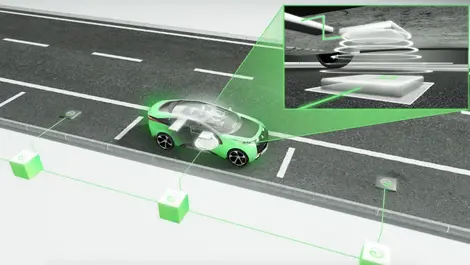
Public road trials and taxi ranks could make electric vehicle charging faster, cheaper and less disruptive for drivers.
Aucklanders could gain a faster, more connected transport network if the government and council back a billion-dollar light rail plan.
Climate pledges made at COP26 could speed up investment in clean energy, EV charging and low-carbon materials, despite weak deadlines.
Christmas freight and passenger services face major disruption after KiwiRail’s chief executive quit amid looming nationwide strike action.
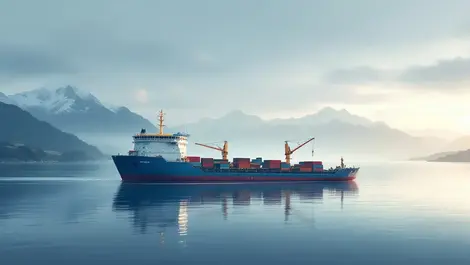
New Zealand businesses and holidaymakers will get extra Cook Strait capacity after KiwiRail leased the freight-only Valentine to cover a broken ferry.
Industry leaders say the draft 30-year plan could give New Zealand clearer funding, planning and delivery for vital infrastructure.
A $5 billion tunnel premium and 489 property buys have raised doubts over whether Auckland’s preferred route is worth the extra cost.
The bill could unlock up to 105,500 extra homes in major cities by letting most sites add three storeys without resource consents.
Record spending is exposing poor productivity, rising insolvencies and risk in Australia’s construction sector, industry leaders warn.
Roads will stay battered without sustained upkeep, despite a bigger funding package that lifts maintenance and safety spending across the network.
Passengers will get a new rail operator next January after Auckland Transport awarded an eight-year, NZD $130 million-a-year deal to Auckland One Rail.
Businesses will have seven days after lockdown eases to enforce QR check-ins and manual sign-ins at busy venues, experts say.
Recruitment bottlenecks and border rules are threatening delivery of New Zealand's NZ$10.1 billion infrastructure pipeline.
Projects that kept ferries running, roads safer and power supply secure were among the winners at Civil Contractors New Zealand’s awards in Wellington.
The incident prompted a safety warning on siphoning petrol, with WorkSafe saying swallowing fuel can cause fatal lung or stomach injuries.