Freight stories
Higher freight and tariff shocks in 2026 left Australian exporters exposed, but firms with backup suppliers and connected systems were better placed to absorb them.
The new guidance urges road agencies to plan for knock-on disruption to freight, public transport and emergency access when flooding hits.
More than half of Australian organisations still manage supply chain risk reactively, leaving them exposed to cyber incidents, BSI found.
Australian retailers face higher costs and tighter margins as Black Friday demand spreads peak season earlier and makes supply chains harder to balance.
Australian retailers risk losing customers when fulfilment promises slip between stock, warehouse labour and transport capacity.
Shoppers could face higher prices, fewer choices and longer waits as Australian companies pass on rising supply chain costs.
Higher fuel costs failed to derail Lufthansa Group, which lifted adjusted EBIT 6% to EUR 1.4 billion on record quarterly revenue of EUR 12.2 billion.
A standard review costs USD $79 and aims to help B2B buyers avoid committing to orders before evidence on suppliers, freight and margins is checked.
Hidden inefficiencies are forcing firms to spend more time reconciling data, and to absorb higher transport and inventory costs across supply chains.
Rising logistics, property and construction costs are leaving Australian companies wary of expansion as Christmas trading prospects soften.
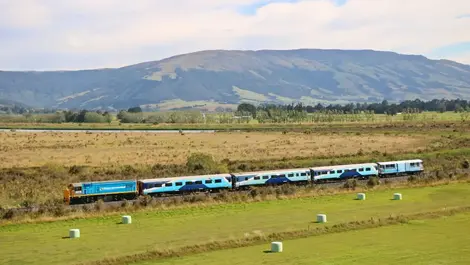
Commuters from Rangiora and Rolleston could be back on passenger rail by mid-2027, but councils must still agree funding and fares remain unclear.
Most transport and logistics operators plan bigger AI budgets next year, as 90% say returns have met or exceeded expectations despite readiness gaps.
The funding will help Evos expand autonomous operators across manufacturing and freight, after it passed USD $1 million in annual revenue within four weeks.
Road users across Hauraki should expect delays as council funds 68 sites for resealing, drainage renewals and bridge repairs this summer.
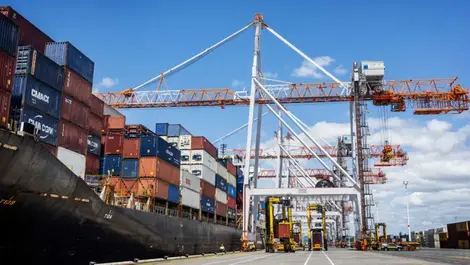
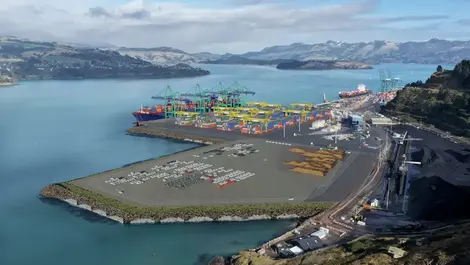
New wharves and dredging will ease congestion at New Zealand's biggest cargo port, after approval for a long-delayed expansion.
Funding sought for traffic modelling could decide whether heavy goods vehicles are diverted off Gisborne streets, easing pressure on deteriorating roads.
Funding shortfalls could force West Coast councils to revert roads to gravel, leaders warn, as tourism and freight access come under pressure.
The upgrade will lift capacity for South Island exporters and add resilience, but customers will face higher charges at the port.
Shippers can now claim half of eligible rail and marine costs for moving Canadian steel between provinces under a CAD $100 million scheme.
The first 26-kilometre stretch is due to open in 2033, after the Government closed a NZD $3.649 billion deal for the route.