Chemical safety stories
Six workers were put at risk after 140 litres of LPG escaped at a Taranaki gas station, prompting fines for three firms.
Poor ventilation and missing protective gear left workers exposed to solvent vapours that can cause unconsciousness and death in minutes.
Higher odds of coronary heart disease and atrial fibrillation were found among Hispanic/Latino workers exposed to metals or pesticides at work.
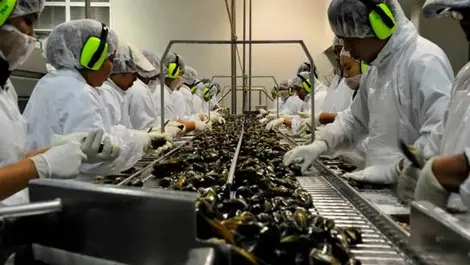
A Tauranga mussel plant has been fined and ordered to pay reparation after a cleaner lost an eye in a corrosive product incident.
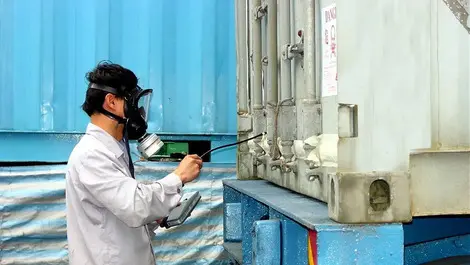
Ports are missing basic checks and labels, leaving workers exposed to toxic fumigants inside freight containers, EU-OSHA warns.
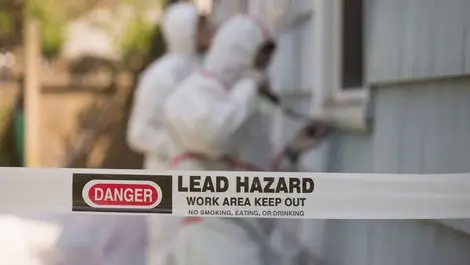
WorkSafe says poor asbestos controls can expose neighbours and visitors, after a New Plymouth remover was fined GBP £35,000 for unsafe work.
Businesses handling asbestos now face stricter duties, with management plans, training and independent air checks compulsory under new rules.
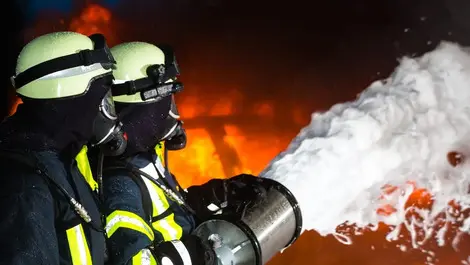
Airports may still hold banned foam stocks as New Zealand probes PFOS and PFOA contamination, raising health and environmental fears.
Even low blood lead levels may drive a third of premature cardiovascular deaths in the US, a new study suggests.
Small and medium-sized firms face tougher chemical compliance demands as revised rules leave many still seeking practical guidance.
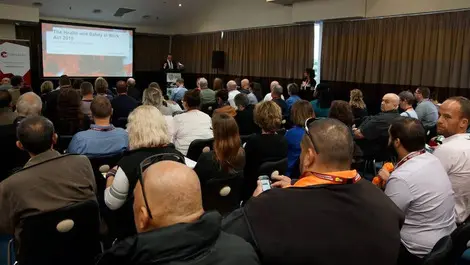
A shift away from paperwork-heavy compliance is driving talks on smarter safety practice and chemical risk at Safety 360 in Auckland.
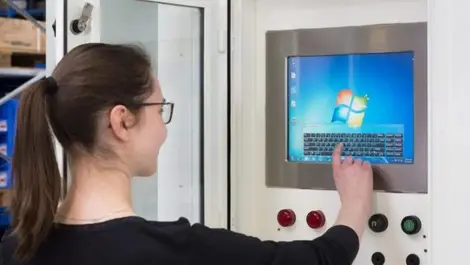
Harsh-environment enclosures could last longer, with the GRP frame resisting corrosion and cutting condensation around critical kit.
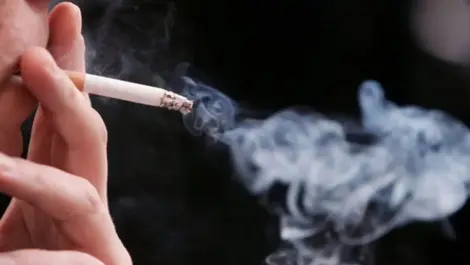
Councils and businesses are widening smoke-free zones across New Zealand, as researchers say current laws are lagging behind overseas standards.
Nearly 1,000 workers in Manukau precast concrete plants now have better protection from airborne hazards after a WorkSafe New Zealand drive uncovered gaps.
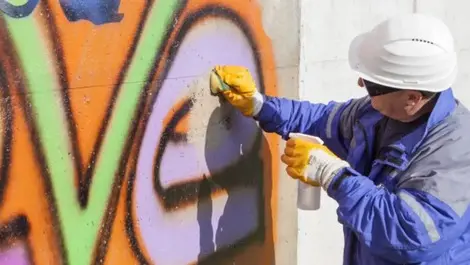
Walls and public surfaces could stay cleaner for longer after WACKER unveiled coatings that resist stains, graffiti and posters.
Occupational safety teams can now check three field types with one pocket-sized device, cutting the kit needed for EMF inspections.
WorkSafe will replace old exemptions with tighter hazardous-substance duties, forcing some labs to keep inventories, train staff and plan for emergencies.
Workplace safety rules for toxic chemicals will shift to WorkSafe in December, giving importers and manufacturers time to comply.
Rising ammonia-safety pressure in food processing has prompted a nationwide distribution deal for laser-based detectors across New Zealand.
Workers and neighbours were exposed to asbestos fibres after demolition proceeded without checks, leaving a North Shore homeowner with a NZD $49,000 bill.