

NSW childcare alliance calls for regulatory rethink
Fri, 30th Oct 2026 (Today)
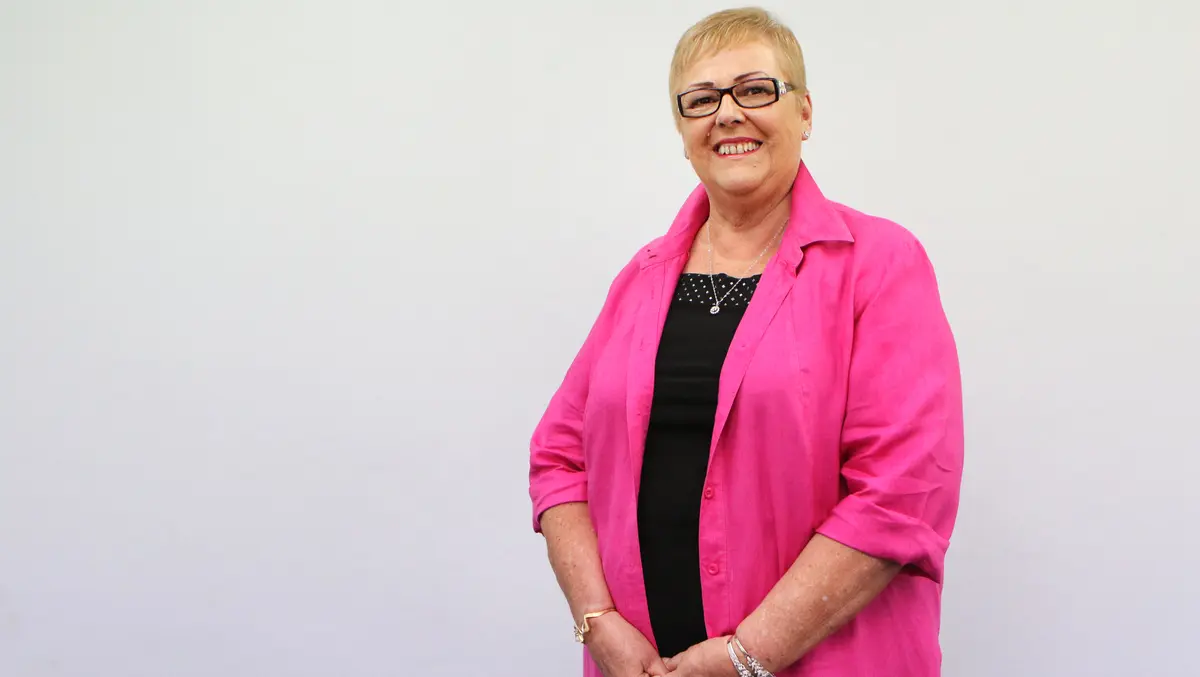
The Australian Childcare Alliance NSW has called for a reassessment of childcare regulation in New South Wales and nationally, arguing that rising compliance demands and costs have not been matched by clear evidence of better outcomes for children.
In a new video commentary, President Lyn Connolly questioned whether 14 years of tighter rules under the National Quality Framework have delivered on their stated aims. She pointed to a gap between high official quality ratings for childcare services and data showing developmental vulnerability among children starting school has risen over time.
According to figures cited by the alliance, 93.2% of NSW childcare services were rated as meeting or exceeding the National Quality Standard in the first quarter of 2026. At the same time, Australian Early Development Census data shows developmental vulnerability among children entering school has increased over time.
The intervention adds to a wider debate about how early childhood education is supervised, funded and measured. Providers have faced heavier scrutiny in recent years, particularly after child safety failures in parts of the sector prompted calls for tougher oversight and stronger reporting obligations.
Cost pressure
The alliance also focused on the financial impact of regulation. It cited a 2022 NSW Productivity Commission report that identified additional costs of about AUD $3,000 per child each year linked to NSW-specific regulatory requirements, while not establishing that those requirements produced better outcomes for children.
Connolly said some providers had also faced licence fee increases of up to 1,000%, adding to operating cost pressures. In a sector already dealing with workforce shortages, wage pressures and family expectations around affordability, those costs have become a central issue.
She argued that the discussion should move beyond whether more rules exist to whether they are effective. The alliance wants governments to examine the costs and benefits of current regulatory settings, with a stronger focus on measurable outcomes in child safety, education and development.
Connolly, one of the sector's more experienced figures, has spent 49 years in early childhood education and operates family-owned childcare centres, according to the alliance.
Before her first quoted remarks, she posed the central question of whether the system has become more complex without delivering clearer gains for children.
"How on earth did we manage to make early childhood education so bloody complicated?" said Lyn Connolly, President, Australian Childcare Alliance NSW.
"More regulations. More paperwork. More costs. More people checking that we're doing the right thing.
"And yet, after all these years, there's one question we still need to answer. Are our children actually better off?" Connolly said.
Ratings gap
A key part of the alliance's argument is that quality compliance data may not align with broader child development indicators. Connolly said the sector should ask what the current system is measuring and whether those measures reflect the issues that matter most to children and families.
"More than 93 per cent of NSW services are rated as meeting or exceeding the National Quality Standard. That's impressive.
"But here's the problem. The Australian Early Development Census shows that developmental vulnerability among children starting school has increased over time.
"So, if our quality ratings look so good, why aren't we seeing the same progress in children's development? What exactly are we measuring? And are we measuring the things that really matter?" Connolly said.
The alliance is seeking an independent assessment of whether existing regulatory requirements are delivering measurable improvements. It also wants greater transparency around the cost and demonstrated benefit of NSW-specific rules, as well as consultation with educators and providers before further changes are introduced.
Safety debate
Connolly did not argue against child safety measures and said action had been needed after serious failures emerged in the sector. Her criticism focused on how successive changes had affected educators and providers trying to keep up with new compliance demands.
"They exposed serious weaknesses in the system and demanded action. And action was needed. Absolutely.
"But what followed has left many educators and providers experiencing what I can only describe as regulatory whiplash," Connolly said.
She said the current approach risks confusing the volume of regulation with effectiveness.
"Children's safety is non-negotiable. But more regulation doesn't automatically mean better regulation. And higher costs don't automatically deliver better outcomes," Connolly said.
Workforce strain
The alliance also linked regulatory pressure to staff retention, arguing that the administrative burden is contributing to fatigue among experienced educators. That concern comes as childcare services across Australia continue to report recruitment and retention difficulties.
Connolly said the profession's educational role is being overshadowed by compliance tasks.
"We're not babysitters. We're educators.
"We help children learn to communicate, build confidence, solve problems, make friends and understand the world around them.
"These are the building blocks of their future," Connolly said.
She added: "And when good educators leave, it's our children who ultimately lose."
The alliance said it wants a regulatory system that is evidence-based, proportionate and centred on outcomes rather than administration.
"We need a system that protects children, respects educators, supports providers and measures what really matters.
"We need governments prepared to listen, to work with the sector and to make decisions based on evidence.
"Because somewhere along the way, we've got our priorities mixed up. We're not here to serve the system. The system is supposed to serve our children. And it's about time we remembered that," Connolly said.